
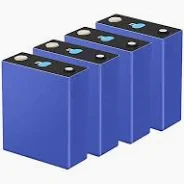
Choosing the right energy storage is the most critical decision in any solar installation. At SunnyWatts Solar Ltd, we understand that every household has different energy needs and budget constraints. Whether you are powering a small home office or a large residence in a Nairobi estate, the “Lithium vs. Lead-Acid” debate is one you must navigate.
Here is an extensive breakdown of how these two technologies compare to help you make an informed choice for your SunnyWatts system.
1. Lithium-Ion Batteries: The Modern Gold Standard
Modern lithium solutions, such as the TBB Power ES100 II or the Deye 10.24kWh units, represent the peak of solar storage technology.
- Longevity: Lithium batteries typically offer over 6,000 cycles, meaning they can last 10–15 years with daily use.
- Depth of Discharge (DoD): You can safely use up to 90%–95% of a lithium battery’s capacity without damaging it, giving you more usable energy per unit.
- Efficiency: They charge faster and lose very little energy during the discharge process, making them ideal for areas with shorter sunlight windows.
- Maintenance-Free: These are sealed “smart” units with internal Battery Management Systems (BMS) that protect against overcharging and overheating.
2. Lead-Acid & Gel Batteries: The Reliable Workhorses
Traditional deep-cycle batteries, like the Eastman Tall Tubular (EM2300) or the Power Gel 200Ah models, remain popular for their cost-effectiveness.
- Affordability: The upfront cost is significantly lower than lithium, making it easier to get started on a budget.
- Proven Reliability: Lead-acid technology has been used for decades and is highly reliable for basic backup needs.
- Easy Scalability: Adding another $12\text{V}$ battery to a small setup is straightforward and inexpensive.
- Best for Light Use: Ideal for households that only need backup power for lights and basic electronics during occasional blackouts.
The Verdict: Which Should You Choose?
| Feature | Lithium (e.g., TBB ES100 II) | Lead-Acid (e.g., Eastman EM2300) |
| Lifespan | 10+ Years | 2–5 Years |
| Usable Energy | High (90%+) | Moderate (50%) |
| Weight/Size | Compact & Lightweight | Heavy & Bulky |
| Upfront Cost | Higher | Lower |
Choose Lithium if: You want a “set and forget” system with maximum performance, long-term savings, and high energy demands.
Choose Lead-Acid/Gel if: You are on a strict initial budget and your energy needs are primarily for emergency lighting and low-power appliances.
Why Source Your Batteries from SunnyWatts Solar Ltd?
At our headquarters on Charles Rubia Road, we stock only top-tier brands like TBB Power, Deye, and Eastman to ensure you get genuine products with valid warranties.
Ready to upgrade your storage?
- Visit Us: Dawan House, Ground Floor, Nairobi.
- Talk to an Expert: +254 722 627 185.
- Email for a Quote: sunnywattssolarltd@gmail.com.




2 thoughts on “Lithium vs. Lead-Acid: Which Solar Battery is Right for Your Kenyan Home?”
Lorem ipsum dolor sit amet, consectetur adipiscing elit, sed do eiusmod tempor incididunt ut labore et dolore magna aliqua. Quis ipsum suspendisse ultrices gravida. Risus commodo viverra maecenas accumsan lacus vel facilisis.
Lorem ipsum dolor sit amet, consectetur adipiscing elit, sed do eiusmod tempor incididunt ut labore et dolore magna aliqua. Quis ipsum suspendisse ultrices gravida. Risus commodo viverra maecenas accumsan lacus vel facilisis.